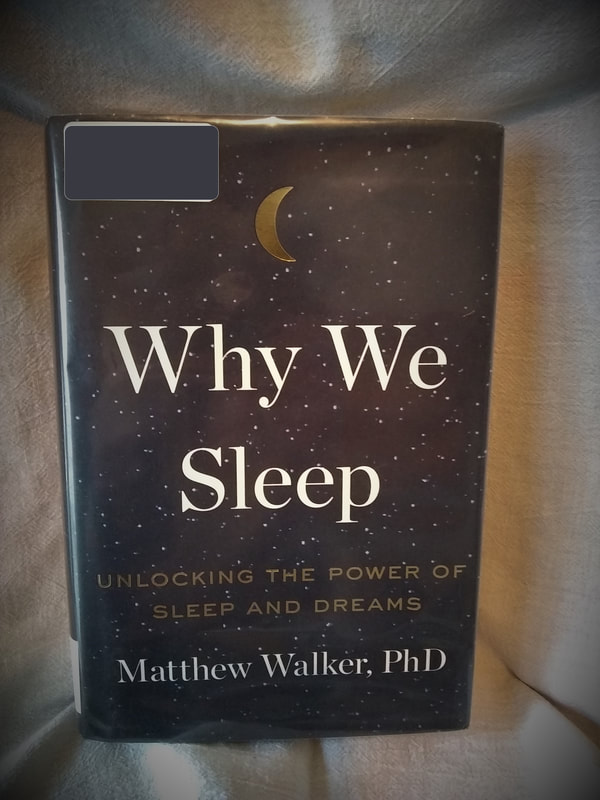
Whether you’re writing or editing, anyone who works in publishing and the written word needs to be reading. Reading within your genre is important, sure, but broadening your range has all kinds of benefits. I love fiction. It’s my way of unwinding at the end of the day, but I try to balance that with at least some nonfiction. I may not read as much of it as I do fiction, but it’s still a part of my routine. So, what am I reading now? So glad you asked! I just finished Why We Sleep by Matthew Walker, and it’s made me reconsider a simple, essential part of my daily routine that I routinely neglect: sleep. It’s also been eye opening to consider how regularly shorting myself on sleep could be having a negative effect on my concentration and creativity. I won’t recap the whole book, but it occurred to me that this information could be equally useful to both writers and editors, and I thought I’d share my thoughts with you. I have a lot of thoughts, so I’ve broken it up into two parts. In part one, I’ll talk about some of the things I learned in reading this book and how I think it applies to writing and editing. And next week, in part two, I’ll share how I’m revamping my routine and invite you to join me in this little experiment. Why We Neglect Sleep Whatever your reasons for not getting the recommended seven to nine hours of recommended sleep each night, I get it. There are millions of things clamoring for our attention every day and not nearly enough time to do them. Whether you have kids and family or a demanding career pulling at your time, there’s always one more thing that needs to be done before bed. And our days start earlier and earlier. The voice calling for us to sleep can get drowned out. If you’re a voracious reader like me, you need that time before bed to read, but then you find yourself unable to put the book down after only a chapter or two. Writers put a lot of thought and effort into creating just that effect. There’s also a persistent myth involving the manic writer with bloodshot eyes and wild hair pulling all-nighters, that the creative process requires self-destructive behavior, but it’s as false as the idea that drugs and alcohol are essential to creative writing. (If you don’t take my word on it, you should read what Stephen King has to say about the subject in his memoir, On Writing.) And I always feel (incorrectly) like time asleep is time wasted because I’m spending hours doing nothing but lying there unconscious. Why Sleep Is Important But sleep time isn’t time wasted, and it’s not inactive. Sleep is as important as eating or breathing. In Why We Sleep, Walker talks about how sleep is essential for everything from repairing our bodies to even maintaining our sanity. There are some scary studies out there linking insufficient sleep to mental illness. Also, studies have shown that sleep loss impedes creativity and mental focus, two vital tools for both writers and editors. Creativity is at the core of what we do. My Plan It’s mid-January, too late for New Year’s resolutions. I don’t like New Year’s resolutions, anyway. I don’t think we need to wait for some arbitrary date on the calendar to make improvements in our lives. So, I’m calling it an experiment. I’ve already been making some changes in my routine and will continue to make more in the days to come. Since each one of our lives is different, with unique challenges, obligations, and requirements, what works for me might not exactly work for you, but I encourage you to try some things out, even if it’s only a small change at a time. Small changes add up. In my next post, I’ll share some of the changes I’ve made to my daily routine to improve my sleep health. Rebecca Miller is a professional copyeditor and general fan of all things having to do with the written word and the English language. You can check out her website at Oakdale Editing or connect through Facebook, LinkedIn, Instagram, or Email. Walker, Matthew. Why We Sleep. New York: Scribner, 2017.
0 Comments
Leave a Reply. |
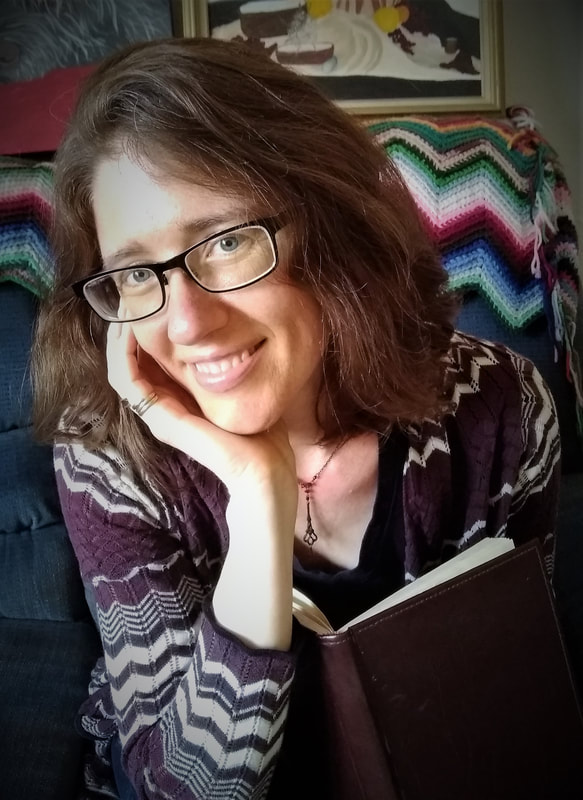
AuthorRebecca has a passion for helping you fill the world with great literature and making sure said literature doesn't get passed over for the lack of a little editing. Archives
July 2022
Categories
All
|
 RSS Feed